WORLD OF RUGS Simonian Rugs  ·  13 Rug-Producing Regions  ·  Est. 1956

Where a rug comes from tells you everything about how to care for it.

The knot type, the dyes, the fiber, the construction — all of it is determined by origin. Explore 13 weaving traditions and the craft knowledge behind each one.

Explore the globe ↓ Browse all regions ↓ Bring your rug to us →
13
Rug-producing regions
100+
Rug types we clean
2,500+
Years of tradition covered
70+
Years of expertise
Why origin matters

Understanding origin is where expert care begins.

A Persian Tabriz, a Navajo flat-weave, and a Moroccan Beni Ourain all look different. But the invisible differences matter more — knot structure, dye chemistry, fiber type, foundation construction. Getting any one of these wrong causes irreversible damage.

We've been studying rug origins since 1956. Other professional cleaners bring their most difficult pieces to us precisely because we understand the craft behind every tradition — not just the surface appearance.

Learn about our inspection →
Knot Type
Asymmetric (Persian) vs Symmetric (Turkish) vs Tibetan gauge-rod vs flat-woven — each requires different tension and handling throughout cleaning.
Dye Chemistry
Madder, indigo, cochineal, pomegranate, chrome synthetic — each reacts differently to water and chemistry. We test every color zone before any moisture is introduced.
Fiber & Foundation
Kork wool, Himalayan Changpa wool, Berber coarse wool, silk, mercerized cotton, viscose — each fiber requires completely different pH, moisture, and drying protocol.
“Where it's from tells us what it's made of — and what it can tolerate. That's where we always begin.”
— Simonian Rugs, San Mateo
Interactive Globe  ·  Drag to rotate  ·  Click a region to explore

The Rug Belt.

Gold regions indicate primary handmade rug-producing traditions. Drag to rotate, click to explore.

EXPLORE
Interactive · One Globe · 13 Rug-Making Traditions
The World of Rugs

Where Does Your Rug Come From?

Spin the globe to explore the world's great rug-making traditions. Hover any glowing point to see the region — click to explore its history, materials, and weaving traditions.

Drag to spin  ·  Hover a gold point  ·  Click to explore

Persia Turkey Morocco Afghanistan India Nepal Navajo Mexico All 13 Regions →
13 Weaving Traditions

Explore every region.

Each page covers the craft techniques, dye traditions, fiber materials, and makers behind that weaving culture — what it means for how we clean your rug, and how you can build a custom piece from any of these traditions in our studio.
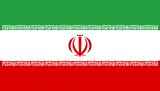
Persia / Iran flag
Region 01
Persia / Iran
The birthplace — 2,500+ years
Asymmetric knotMadder · IndigoKork wool · Silk

The most diverse rug tradition on earth. Kashan, Isfahan, Tabriz, Qashqai — each a completely different craft language.

Explore →
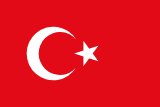
Turkey flag
Region 02
Turkey
The symmetric knot tradition
Symmetric knotOushak · Kilim · HerekeWool · Cotton

Oushak palace rugs, Hereke imperial silk, and the richest kilim flat-weave tradition in the world.

Explore →
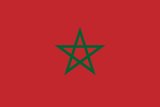
Morocco flag
Region 03
Morocco
Berber · Amazigh tradition
Hand-knotted & flat-wovenCoarse Berber woolBeni Ourain · Azilal

Each rug encodes the weaver's personal history and tribal identity. No two Berber rugs are ever identical.

Explore →
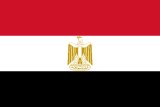
Egypt flag
Region 04
Egypt
Mamluk geometric revival
Asymmetric knotMercerized cottonMamluk geometric

Mercerized cotton gives Egyptian rugs a distinctive silk-like sheen. The Mamluk geometric tradition is among the most mathematically intricate in rug history.

Explore →
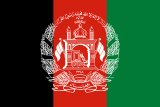
Afghanistan flag
Region 05
Afghanistan
Bokhara gul · Tribal tradition
Tribal hand-knottedCoarse woolDeep madder reds

The Bokhara gul and deep madder reds are immediately recognizable. Modern washed Ziegler pieces have made Afghan production enormously popular.

Explore →
Pakistan flag
Region 06
Pakistan
Fine workshop production
Asymmetric knotNZ Merino woolChrome dyes — stable

Pakistani workshops produce fine New Zealand wool pieces with extremely stable chrome dyes — among the most consistent handmade rugs available.

Explore →
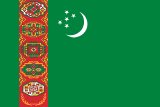
Turkmenistan flag
Region 07
Turkmenistan
The gul people
Tribal hand-knottedFine lustrous woolDeep madder red

Each tribe's gul medallion is as unique as a heraldic coat of arms. The extraordinary density and deep Bukhara red are instantly recognizable.

Explore →
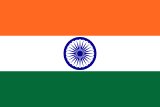
India flag
Region 08
India
Mughal heritage · most varied
Knotted · Tufted · Flat-wovenWool · Silk · ViscoseMughal tradition

From museum-quality Kashmir silk to hand-tufted wool. Critical note: viscose requires completely different care from real silk — we identify it at intake.

Explore →
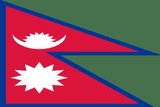
Nepal flag
Region 09
Nepal
Himalayan wool · Tibetan gauge knot
Tibetan gauge-rod knotHimalayan Changpa woolKush Up program

Himalayan wool from high-altitude Changpa herds — extraordinarily resilient and lanolin-rich. The foundation of our Kush Up custom rug program.

Explore →
China flag
Region 10
China
Carved pile · Dragon motifs
Hand-knotted & carvedSilk · WoolNingxia · Peking

Carved pile relief is unique to Chinese production. Isolated motifs on open fields — dragons, phoenixes, clouds — influenced by porcelain and Buddhist iconography.

Explore →
Caucasus flag
Region 11
Caucasus
Azerbaijan · Armenia · Georgia
GeometricSymbolicWool · Vegetable dyes

Three distinct weaving traditions sharing a mountainous corridor between the Black and Caspian Seas — bold geometric design and deeply symbolic motifs.

Explore →
Navajo flag
Region 12
Navajo
400 years · North America's finest
Flat-woven — no pileUpright loomNatural & vegetal dyes

The most important flat-woven textile tradition in North America. Each regional style is a distinct visual language, treated with the same respect as fine Persian antiques.

Explore →
Mexico (Zapotec) flag
Region 13
Mexico (Zapotec)
Pre-Columbian · Cochineal dyes
Flat-woven — no pileCochineal · Indigo · Marigold2,500-year tradition

Cochineal reds, indigo blues, marigold yellows — all natural dyes, all still used today. The tradition behind our Casa Muñiz custom rug program.

Explore →
What to look for in every rug

The six things that determine how we clean.

Before water or chemistry touches any rug, we read these four things. Every decision we make flows from this assessment.

🧵
Knot Type & Construction
Asymmetric Persian, symmetric Turkish, Tibetan gauge-rod, flat-woven tapestry — each structure requires completely different tension, moisture levels, and drying protocols. Hand-tufted latex-backed rugs require a completely different approach from hand-knotted pile.
🌿
Dye System & Chemistry
Madder root reds, indigo blues, cochineal crimsons, pomegranate yellows, chrome synthetics — every dye system reacts differently to water and pH. We test every color zone before any moisture is introduced. One wrong dye assessment and colors bleed permanently.
🐑
Fiber & Materials
Kork wool tolerates alkaline solutions that would destroy silk. Viscose (art silk) looks like silk but is fragile when wet. Himalayan Changpa wool, Berber coarse wool, mercerized cotton — each fiber has a different optimal pH, moisture tolerance, and drying requirement.
Age & Condition
A 200-year-old Persian antique and a modern Pakistani workshop rug require entirely different handling. Antique foundations are brittle, dyes have aged and shifted, and the patina that took a century to develop can be destroyed in seconds by the wrong approach.
🏺
Tribal vs Workshop vs Nomadic
City workshop rugs (Kashan, Tabriz, Isfahan) are produced under master weavers with standardized materials. Tribal pieces are woven from memory with handspun naturally-dyed wool. Nomadic rugs are woven on portable looms with variable tension. Each is a completely different object.
🌐
The Maker's Tradition
Navajo rugs are cultural objects of the Diné Nation. Zapotec weavings from Teotitlán del Valle carry 2,500 years of tradition. Moroccan Berber rugs encode the weaver's personal history. We approach every piece with the awareness that it represents something larger than its market value.
We'll identify your rug at no charge

Not sure where your rug is from?

Walk in or bring a photo. We'll tell you where it's from, what it's made of, and exactly what care it needs. 70 years of expertise — at no charge.

Design a custom rug → Shop the collection → Clean my rug →
Walk in any time  ·  Mon–Fri 8am–4:30pm  ·  Sat 9am–1pm